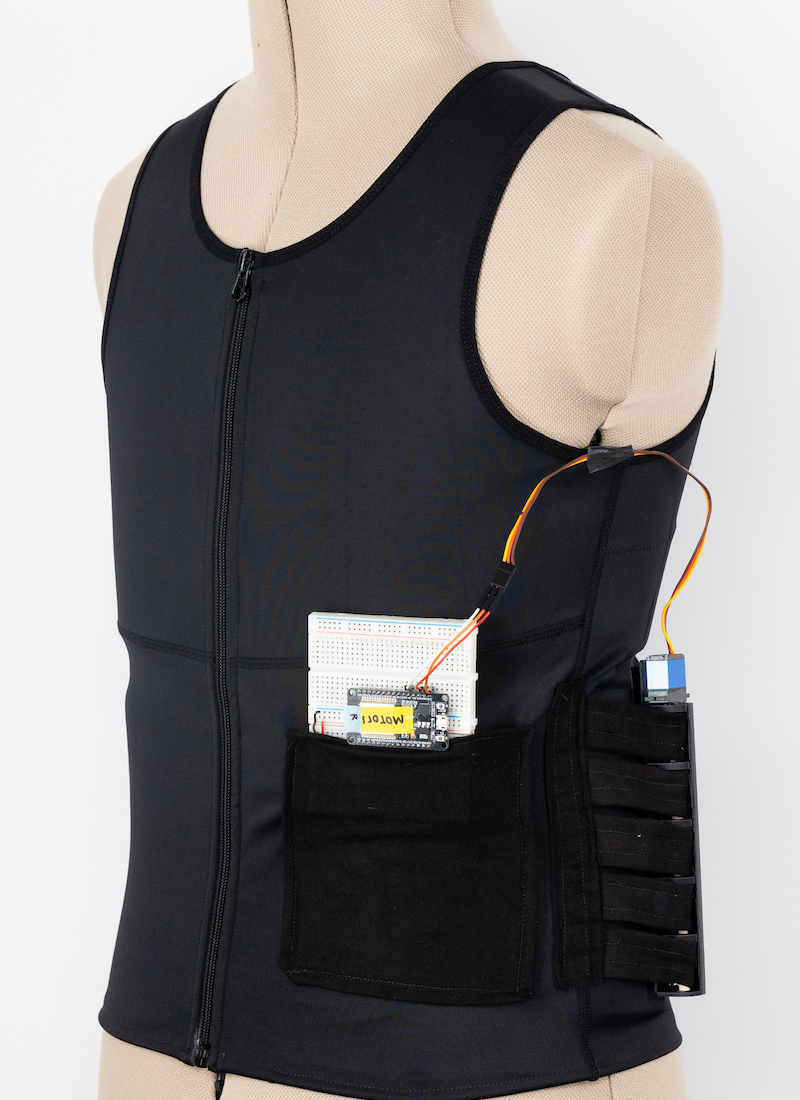
The Sensory Regulation System is an automated assistive wearable technology designed to provide real-time deep pressure therapy for regulating stress induced by sensory processing disorders.
System Components
Compression Vest:
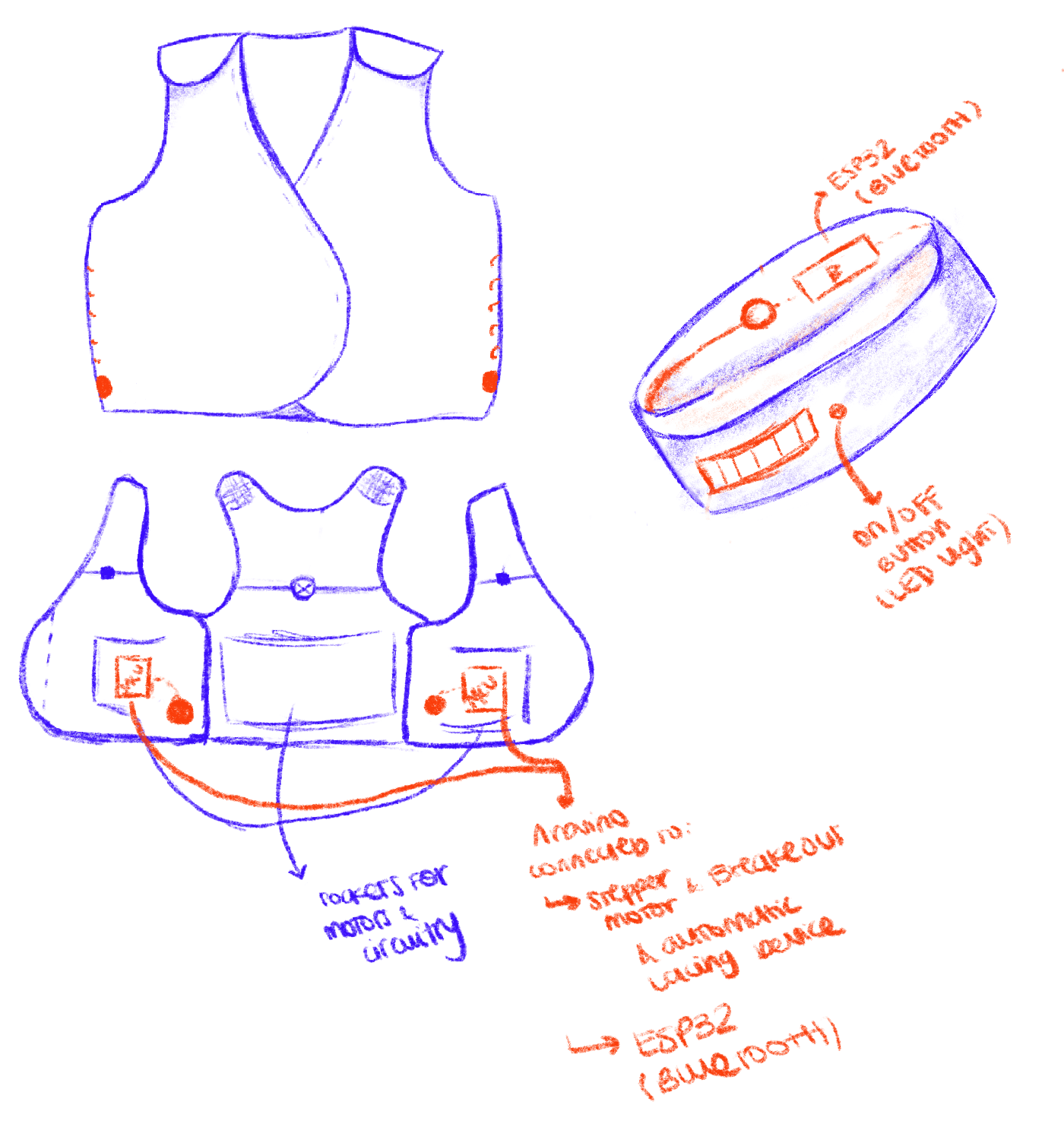
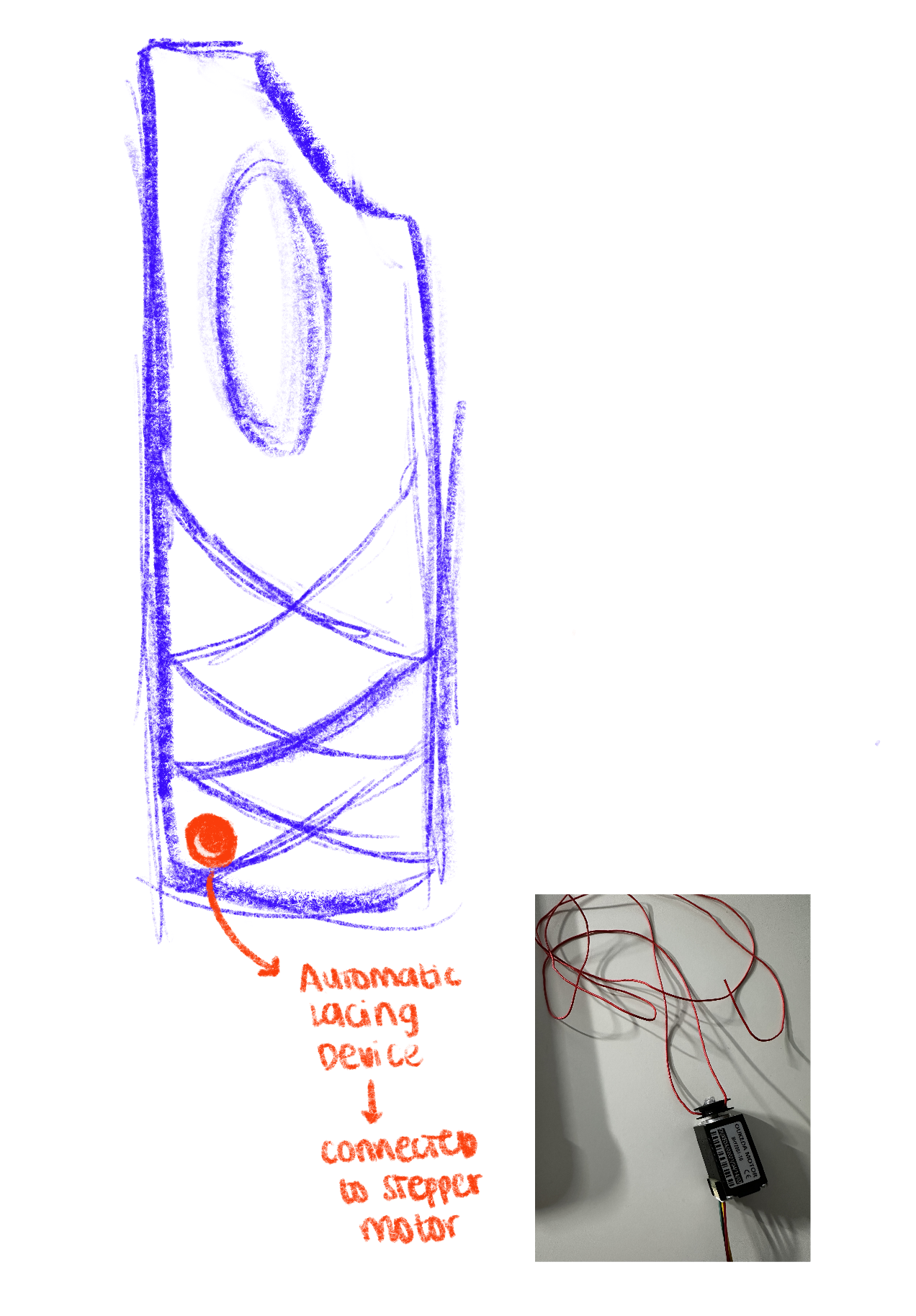
The automatic compression vest provides even compression around the users torso in response to indications of overstimulation.
Compression levels and stress parameters are customized for each user.
The sleek design and breathable material allows the user to wear it in most settings under or over clothing. Fabric can be customized to user preference for fashion or function.
Wristband:
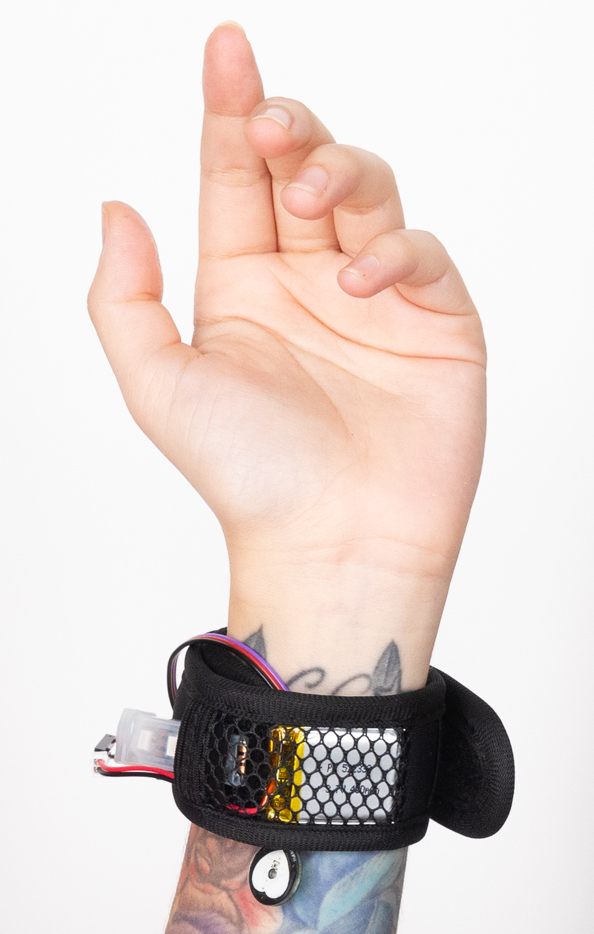
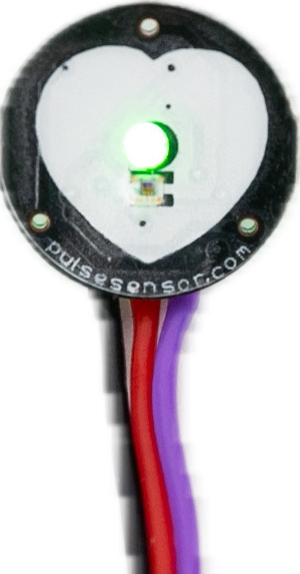
A heart-rate sensor within the wristband is paired to the vest to monitor stress levels and trigger compression.
WARNING FLASHING LIGHTS
Haptic and visual feedback warn users of rising heart-rate before compression is initiated.
Using buttons on the wristband, compression can be turned off or adjusted.
Background
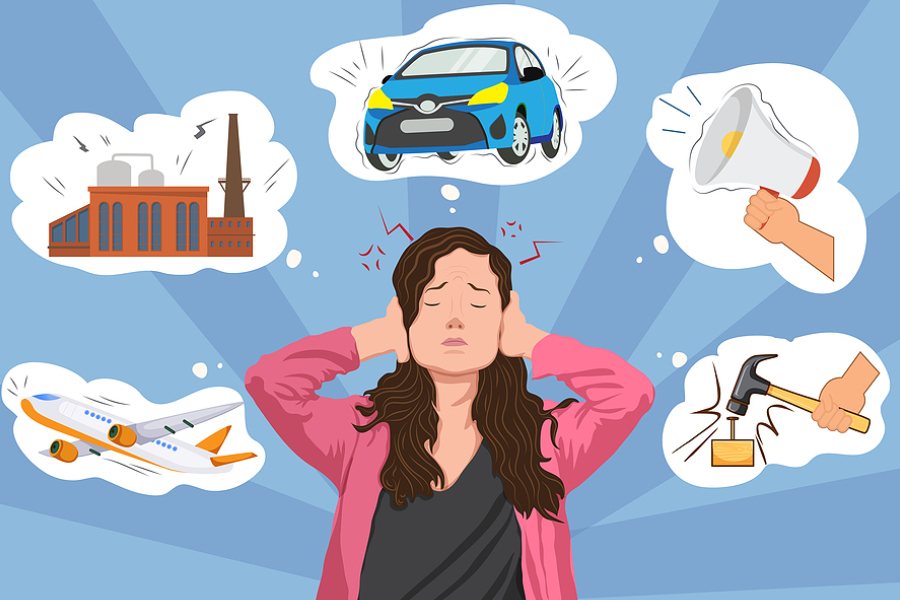
Sensory overload caused by sensory processing disorders is a condition in which an individual’s sensory systems are overwhelmed by an excessive amount of stimuli, leading to difficulties in processing and responding to sensory input. For some, this can be mitigated with the use of deep pressure therapy.
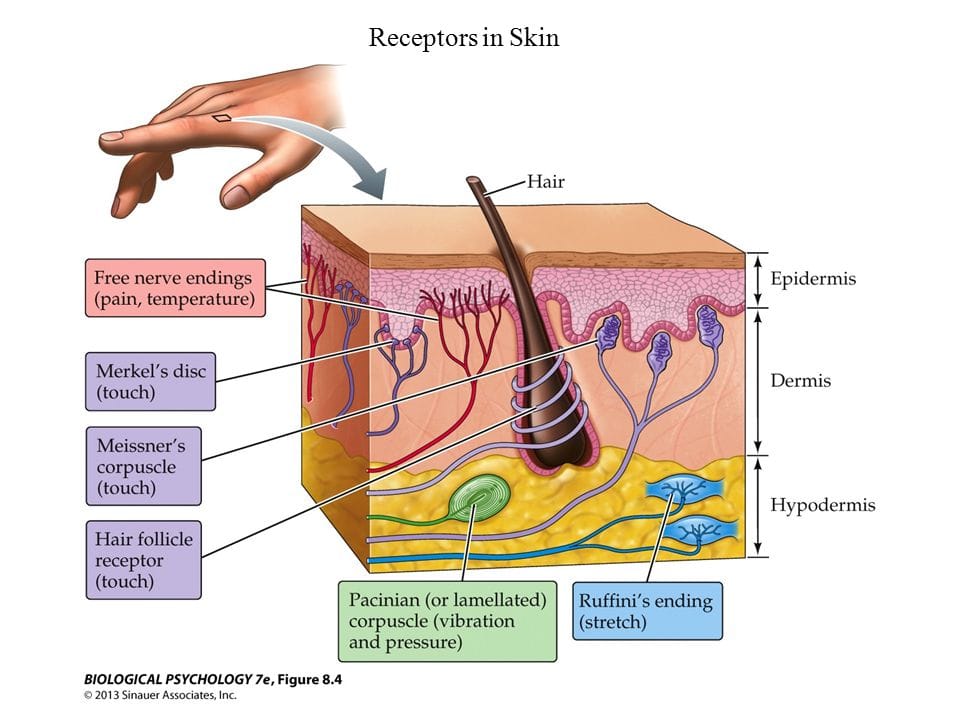
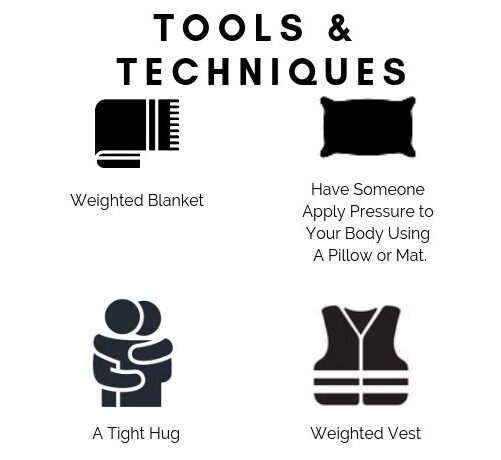
Deep pressure therapy, or DPT, leverages touch information to stimulate specific receptors that feed into sensory processing pathways in the brain, and trigger a calming reflex in the body. Therapeutic tools such as swaddling, massage, weighted pressure vests, and weighted blankets are commonly used to provide deep pressure stimulation.
Therapeutic tools such as swaddling, massage, weighted pressure vests, and weighted blankets are commonly used to provide deep pressure stimulation.
This process has been shown to reduce sympathetic activation (or the “fight or flight” response) and stimulate the parasympathetic nervous system, promoting relaxation. Research indicates that deep pressure therapy is associated with a reduction in anxiety for certain individuals.
1. Deep pressure therapy “decreases the physiological arousal” of children with ASD during travel on public transportation. “Heart rate was significantly decreased during the treatment compared to the baseline” (Afif et al., Physiological effect of deep pressure in reducing anxiety of children with ASD during traveling: A public transportation setting 2022)
2. It was demonstrated that “deep pressure appears to be of immediate benefit to this population…” (Bestbier & Williams, The immediate effects of deep pressure on young people with autism and severe intellectual difficulties 2017)
3. Results of this study indicated a “significant reduction in tension” and a “significant reduction in anxiety” for children who received deep pressure. (Edelson et al., Behavioral and physiological effects of deep pressure on children with autism 1999)
Design Process
Problem Space
In a situation with high stress, sometimes it is hard to communicate with words to those around you or recognize your own need to regulate your anxiety levels. With a responsive system, a users needs are anticipated and quickly addressed.